Crinum jagus
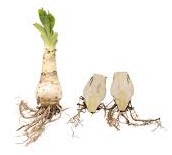
|
|
Crinum jagus Common Names: St. Christopher lily, Harmattan lily,
poison bulb Scientific
Classification Kingdom: Plantae Clade: Angiosperms Clade: Monocots Order: Asparagales Family: Amaryllidaceae Genus: Crinum Species: Crinum jagus Synonyms: Amaryllis
jagus J.Thomps.; Amaryllis latifolia Lam.; Crinum congolense De Wild.; Crinum
bequaertii De Wild. Morphological Description Crinum jagus is a
perennial bulbous geophyte characterized by a large underground bulb, from
which arise long, strap-like, glossy green leaves arranged in dense clumps. The
plant produces a robust, leafless flowering stalk bearing an umbel of large,
white, lily-like flowers that are often fragrant. Bulbs and leaves are the
principal organs harvested for medicinal purposes. Distribution and Habitat The species is native to
tropical Africa and widely distributed across West, Central, and parts of East
Africa. It occurs in countries including Nigeria, Ghana, Cameroon, Democratic
Republic of Congo, Gabon, Uganda, and Sierra Leone. Introduced populations have
been reported in Mauritius, Seychelles, and parts of South America. Crinum jagus typically
grows in seasonally dry tropical environments, forest margins, savannas,
riverbanks, and around human settlements, where it is also cultivated as an
ornamental plant. Ethnopharmacology · Respiratory disorders: Ethnobotanical surveys in southwestern
Nigeria report the use of Crinum jagus bulbs and leaves for asthma and chronic
cough, particularly among Yoruba communities (Lawal et al., 2020). · Antimalarial and antipyretic use: Traditional use for fever and malaria is
supported by experimental evidence showing moderate antiplasmodial activity of
bulb and leaf extracts, with isolation of lycorine and crinamine alkaloids
demonstrating significant inhibition of Plasmodium species (Akinyele et al.,
2022). · Wound healing: In southeastern Nigeria, bulbs are applied to skin sores and
wounds. Methanolic bulb extracts have been shown to significantly enhance wound
contraction and tissue repair in incision, excision, and dead-space wound
models in rats (Udegbunam et al., 2015). · Anti-inflammatory and analgesic use: Experimental studies report
anti-inflammatory and antipyretic activities of bulb extracts, providing
pharmacological support for traditional use in pain and fever management. · Antioxidant and detoxification-related use: Leaf extracts demonstrated protective
effects against toluene-induced oxidative stress in liver and kidney tissues in
rats, supporting traditional claims related to detoxification and general
health restoration (Salihu et al., 2022). ⚠ Toxicity and Safety: Crinum jagus contains Amaryllidaceae alkaloids that are
biologically active and potentially toxic at high doses. Subchronic toxicity
studies in rats indicate relatively low toxicity of aqueous and hydroethanolic
extracts, with no major organ damage observed, although changes in body weight
and biochemical markers were reported. Acute toxicity studies suggest high LD50
values for some extracts, but improper dosing or concentrated preparations may
pose risks such as gastrointestinal irritation or neurological effects. Additional Notes · Ornamental value: Widely cultivated for its large, showy
flowers, which may reduce pressure on wild populations when cultivated sources
are used medicinally. · Sustainability: Because bulbs are often harvested,
sustainable cultivation and controlled harvesting practices are recommended. References
External Links
More Pictures
|
|
| Compounds of Crinum jagus |
|
| References |
