Cyperus articulatus
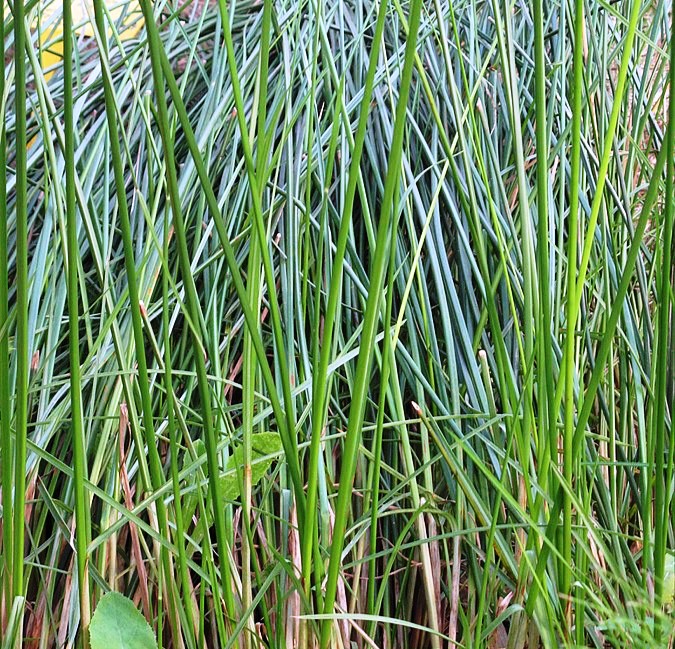
|
|
Cyperus articulatus Common Names: Jointed flatsedge, Priprioca, Guinea
rush, Adrue Scientific
Classification Kingdom: Plantae Clade: Tracheophytes Clade: Angiosperms Clade: Monocots Clade: Commelinids Order: Poales Family: Cyperaceae Genus: Cyperus Species: C. articulatus Synonyms: Chlorocyperus
articulatus (L.) Rikli, Cyperus nodosus Humb. & Bonpl. ex Willd., Cyperus subnodosus Nees & Meyen, Cyperus pertenuis Roxb., Papyrus pangorei Nees Morphological Description Cyperus articulatus is a robust, perennial sedge, typically 1–2.5 meters tall,
with a rhizomatous root system. Its key characteristics include: · Rhizomes: Thick, aromatic, bearing tubers with a woody, spicy scent;
used in perfumery and medicine. · Stems: Cylindrical, hollow, 3–10 mm diameter, with transverse septa
giving a jointed appearance; green to glaucous, glabrous. · Leaves: Reduced to basal sheaths, 10–30 cm long, brownish to green,
lacking true blades; sheaths wrap the stem base · Inflorescence: Simple anthela, 5–20 cm wide, with 3–10 primary branches
bearing clusters of 10–30 spikelets; spikelets linear, 5–20 mm long,
reddish-brown; flowers bisexual, with 3 stamens and a 3-lobed stigma; flowering
year-round in tropics (Kew Science, n.d.). Distribution and Habitat Cyperus articulatus is widespread across tropical and subtropical regions,
thriving in wetland ecosystems: · Geographic Range: Native to Africa (Nigeria, Senegal,
Cameroon, Ethiopia), southern Asia (India, Sri Lanka), northern Australia,
southeastern United States, West Indies, and Latin America (Brazil, Peru); in
Nigeria, common in southern wetlands (e.g., Niger Delta) and northern riverine
areas (e.g., Sokoto) (Kew Science, n.d.; Burkill, 1985). · Habitat: Grows in aquatic environments, including swamps, lake
shores, river margins, wet grasslands, and pools; tolerates standing water up
to 30 cm deep; prefers loamy or clay soils (pH 5.0–7.5) with 1,000–2,500 mm annual
rainfall; occurs at elevations up to 1,000 m (Fern, 2024). · Ecological Role: Forms dense patches, stabilizing wetland
soils; provides habitat for aquatic fauna; can be invasive in disturbed
wetlands. Ethnopharmacology Cyperus articulatus, known as priprioca in the Amazon, is a cornerstone of
traditional medicine in Nigeria, Cameroon, and other regions, valued for its
antimicrobial, sedative, and anti-inflammatory properties. Its pharmacological
potential is driven by a rich phytochemical profile, with studies validating
numerous traditional uses. Traditional Uses In African and Amazonian
ethnomedicine, Cyperus articulatus is used for: · Epilepsy and Seizures: Rhizome decoctions are consumed to manage
convulsions, particularly in Cameroon and Nigeria (Bum et al., 2001). · Infections: Rhizome pastes treat skin infections, wounds, and dysentery,
leveraging antimicrobial properties (Neuwinger, 2000). · Pain and Inflammation: Leaf and rhizome infusions relieve headaches,
toothaches, and joint pain. · Gastrointestinal Disorders: Rhizome extracts treat diarrhea, vomiting,
and digestive issues in Amazonian and West African communities. · Malaria and Fever: Rhizome decoctions are used as
antimalarial and febrifuge remedies in Cameroon (Ndob et al., 2016). · Sedative Effects: Rhizome infusions promote relaxation and
treat insomnia (Rakotonirina et al., 2001). Pharmacological Studies Pharmacological studies
have validated several traditional uses of Cyperus articulatus, focusing on its rhizomes and essential oils: · Anticonvulsant Activity: Methanolic rhizome extracts protected mice
against maximal electroshock (MES) and pentylenetetrazol (PTZ)-induced seizures
(ED50: 306 mg/kg for PTZ, 1005 mg/kg for MES) and delayed isonicotinic acid hydrazide-induced
seizures, with mustakone and alkaloids as key compounds, supporting use for
epilepsy (Bum et al., 2001). · Anti-inflammatory and Analgesic Effects: Essential oil from rhizomes (CAEO) reduced
nitrite, TNF-α, IL-1β, and PGE2 production in LPS-stimulated RAW 264.7
macrophages (IC50: ~5 µg/mL) and inhibited carrageenan-induced paw edema in
mice by 40% at 100 mg/kg, with sesquiterpenes (e.g., mustakone) as active
components, validating use for pain and inflammation (Mittas et al., 2022). · Antimalarial Activity: Ethanolic rhizome extracts showed
antiplasmodial activity against *Plasmodium falciparum · Antimicrobial Activity: Ethanolic rhizome extracts inhibited
*Streptococcus mutans* and *Enterococcus faecalis* (MIC: 0.5–2 mg/mL), with
α-pinene and β-pinene disrupting bacterial membranes, validating use for
infections (Macambira et al., 2024). · Sedative Effects: Rhizome decoctions reduced spontaneous
motor activity in mice and increased sleep duration when combined with sodium
thiopental or diazepam, with flavonoids and saponins as sedative agents,
supporting traditional use for insomnia (Rakotonirina et al., 2001). ⚠ Safety
Considerations: Cyperus articulatus is
generally safe at therapeutic doses, but some risks are noted: Acute Toxicity:
Essential oil showed no mortality in mice at 2,000 mg/kg, with minor trauma
likely from administration, suggesting a safe profile (Metuge et al., 2014) Allergic
Reactions: Prolonged exposure to essential oils (e.g., camphor) may cause skin
irritation or respiratory discomfort in sensitive individuals (Mittas et al.,
2022).
Additional Information · Fragrance Industry: Rhizomes yield priprioca essential oil
(0.9% yield), rich in mustakone and β-selinene, used in perfumes and cosmetics for
its woody, spicy aroma. · Ecological Role: Stabilizes wetland ecosystems; supports
aquatic biodiversity; can form invasive stands in disturbed areas · Cultural Significance: Used in Amazonian rituals for perfumed
baths and spiritual cleansing; revered in Nigerian Hausa communities for
medicinal potency References
External Links More Pictures |
|
| Compounds of Cyperus articulatus |
|
| References |