Parkia biglobosa
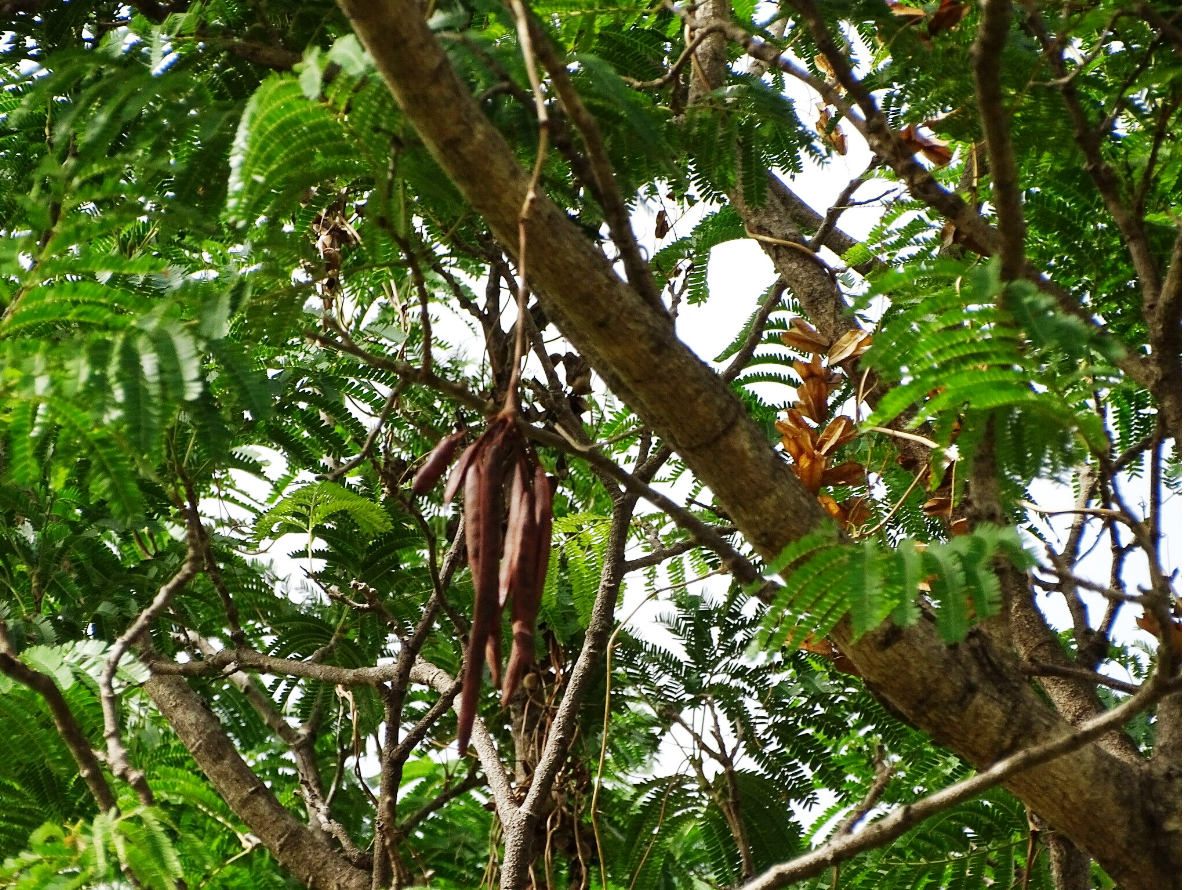
|
|
Parkia biglobosa Common Names: West African Locust Bean, Dawadawa Tree,
Néré, African Carob Scientific
Classification Kingdom: Plantae Clade: Tracheophytes Clade: Angiosperms Clade: Eudicots Order: Fabales Family: Fabaceae Genus: Parkia Species: P. biglobosa Authority: (Jacq.) R.Br. ex G.Don Synonyms: Inga biglobosa Jacq., Mimosa biglobosa (Jacq.) Poir., Parkia africana R.Br. Morphological Description Parkia biglobosa is a perennial deciduous tree in the Fabaceae family,
typically growing 7–30 m tall with a broad, spreading crown up to 20 m wide: · Stem: Single bole, 50–100 cm in diameter, with rough, fissured
grey-brown bark (Fern, 2024). · Leaves: Bipinnate, 20–40 cm long, with 10–25 pairs of pinnae, each
bearing 20–40 pairs of leaflets, dark green above, paler below (Burkill, 1995). · Flowers: Small, red, 2–3 cm long, in dense, globular capitula,
pollinated by bats, blooming January–March (Barwick, 2004). · Fruit: Cylindrical pod, 15–45 cm long, 2–4 cm wide, brown when mature,
containing sweet yellow pulp and 10–25 seeds (Fern, 2024). Distribution and Habitat Parkia biglobosa is native to West and Central Africa, with a range extending
to East Africa: · Range: Senegal to Cameroon, Nigeria to Sudan, south to Uganda;
cultivated in Ghana, Togo, Burkina Faso (Fern, 2024). · Habitat: Savannas, woodlands, parklands, 0–1,400 m altitude; prefers
well-drained clay or sandy soils, 400–1,200 mm rainfall, 24–32°C (Burkill,
1995). Ethnopharmacology Parkia biglobosa is a cornerstone of West African traditional medicine,
containing tannins, flavonoids, and terpenoids (Saleh et al., 2021): · Antimicrobial: Bark extract in Benin inhibited Staphylococcus aureus (MIC 0.39 mg/mL) (Nounagnon et al., 2017). · Antidiabetic: Fermented seed extract (300 mg/kg) reduced fasting glucose
by 50% in alloxan-induced diabetic rats (Odetola et al., 2006). · Antihypertensive: Stem bark extract (100 mg/kg) lowered
blood pressure by 20% in rabbits (Ognatan et al., 2008). Studies suggest that Parkia biglobosa (African
locust bean) exhibits antihypertensive properties, potentially due to its rich
content of antioxidants and its ability to influence cardiovascular parameters
like triglycerides, HDL cholesterol, and glucose levels, augmentation of nitric
oxide (NO) bioavailability and enhancement of endothelial function, both of
which promote antioxidant and anti-inflammatory activities. Additionally, the
plant facilitates arterial vasodilation and regulates the
renin–angiotensin–aldosterone system(Ognatan et al., 2011).. · Wound Healing: Leaf extract in Nigeria enhanced fibroblast proliferation by
35% in vitro (Adetutu et al., 2011). · Antioxidant/Anti-inflammatory: Leaf extract (200 mg/kg) reduced edema by
40% in rats (Nwaehujor et al., 2011). ⚠ Toxicity Profile: Bark and pods contain parkine, toxic to fish;
high seed extract doses (>1,000 mg/kg) caused liver enzyme elevation in rats
(Komolafe et al., 2014). Additional Uses · Culinary: Fermented seeds (dawadawa) used as seasoning; pulp (60%
carbohydrate) processed into food/drinks. · Agroforestry: Enhances soil organic carbon by 15% and phosphorus by 20%
(Fern, 2024). · Ecological: Flowers support bee nectar; leaves/pulp used as fodder
(Burkill, 1995). References
External Links More Pictures
|
|
| Compounds of Parkia biglobosa | |
| References |
