Curcuma longa
|
|
Curcuma longa Common Names: Turmeric, common turmeric Scientific
Classification Kingdom: Plantae Clade: Angiosperms Clade: Monocots Order: Zingiberales Family: Zingiberaceae Genus: Curcuma Species: Curcuma longa Synonyms: Curcuma
domestica Valeton; Curcuma tinctoria Guibourt; Stissera curcuma Giseke; Kua
domestica Medik. Morphological Description Curcuma longa is a
perennial rhizomatous herb cultivated primarily for its underground rhizomes.
The plant produces erect pseudostems formed by leaf sheaths, bearing large
oblong-lanceolate leaves. The inflorescence is a terminal spike with green to
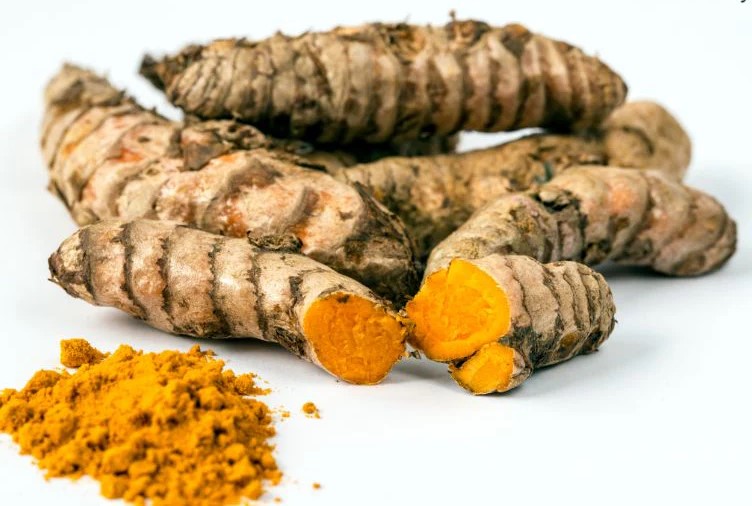
whitish bracts and pale yellow flowers. The rhizome is aromatic, bright
orange-yellow internally, and is the principal medicinal and culinary organ. Distribution and Habitat Curcuma longa is considered
a cultigen originating from southwestern India and has been disseminated widely
throughout tropical and subtropical regions. It is extensively cultivated
across South and Southeast Asia, Africa, the Caribbean, and parts of South
America. The species thrives in
warm, humid climates, typically in seasonally dry tropical biomes, and prefers
well-drained loamy or alluvial soils under partial shade to full sun. Ethnopharmacology · Anti-inflammatory and pain-related uses: In Ayurveda and related traditional systems,
turmeric is used for swelling, sprains, arthritis, and musculoskeletal pain.
Randomized clinical trials have demonstrated that curcumin preparations provide
pain relief and functional improvement in knee osteoarthritis comparable to
nonsteroidal anti-inflammatory drugs, with fewer gastrointestinal adverse
effects. · Digestive and gastrointestinal uses: Traditional use as a carminative and
digestive aid is supported by a randomized controlled trial in ulcerative
colitis, where curcumin added to standard mesalamine therapy significantly
improved clinical and endoscopic remission rates. · Wound healing and skin conditions: Ethnomedical use for wounds, cuts, and
skin diseases is supported by experimental studies showing curcumin enhances
fibroblast activity, collagen deposition, and re-epithelialization in
wound-healing models. · Neuropsychological effects: Meta-analyses of randomized controlled
trials indicate that curcumin supplementation is associated with modest but
significant improvements in depressive symptoms, with good tolerability. · Metabolic and liver-related effects: Systematic reviews and meta-analyses
suggest curcumin may improve liver enzymes, inflammatory markers, and lipid
profiles in non-alcoholic fatty liver disease, although outcomes vary depending
on formulation and treatment duration. ⚠ Toxicity and Safety: Culinary use of turmeric is generally considered safe. However,
recent clinical reports describe cases of turmeric-associated drug-induced
liver injury, particularly linked to high-dose supplements and formulations
designed to enhance curcumin bioavailability. Reported cases are typically
hepatocellular and may present after weeks to months of supplementation.
Caution is advised for individuals with underlying liver disease or those using
high-dose turmeric supplements. Additional Notes · Food–medicine continuum: Turmeric occupies a central role as both a
culinary spice and a medicinal agent, exemplifying the close integration of
diet and traditional medicine. · Formulation importance: Bioavailability of curcumin is low in its
native form; enhanced formulations may increase efficacy but also influence
safety profiles. References
External Links
More Pictures
|
|
| Compounds of Curcuma longa | |
| References | Murtala Muhammad, Etal. (2023). Phytochemical analysis of Nigerian medicinal plants. NMPP-DB
Project, Department of Biochemistry, Kano University of Science and Technology,
Wudil |