Allium cepa
|
|
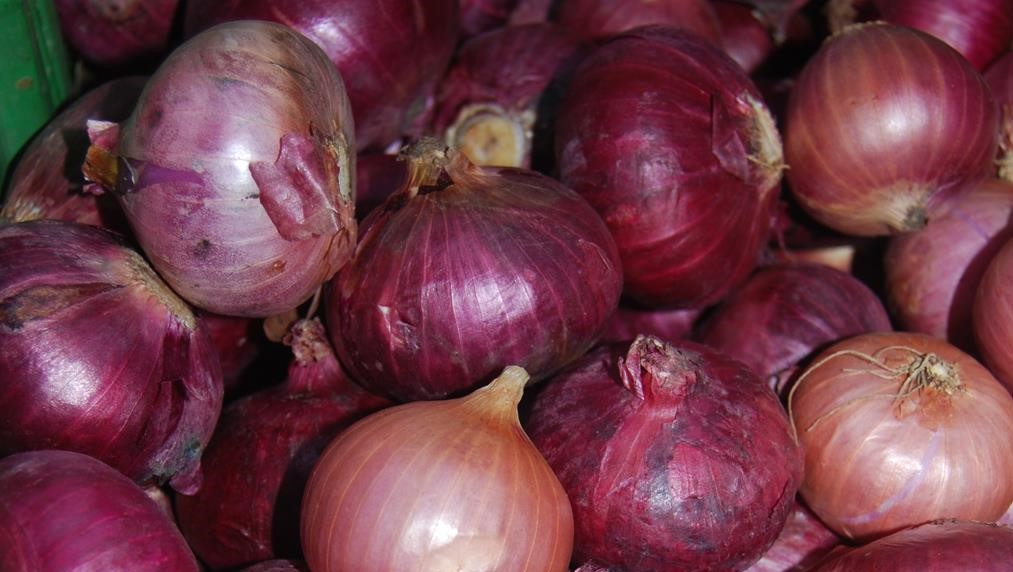
Allium cepa Common Names: Onion, Bulb Onion, Common Onion, Garden
Onion Scientific
Classification Kingdom: Plantae Phylum: Tracheophyta Class: Liliopsida Order: Asparagales Family: Amaryllidaceae Subfamily: Allioideae Genus: Allium Species: A. cepa Synonyms: Allium esculentum Salisb., Allium cepa var. cepa, Allium cepa var. aggregatum G. Don, Allium cepa var. proliferum (Moench) Regel, Allium commune Noronha Description Allium cepa,
commonly known as the onion, is a herbaceous biennial plant, typically grown as
an annual, valued for its edible bulb. Its key features include: · Stem: Compressed, underground, forming a bulb 2–15 cm in diameter,
encased in dry, papery scales · Leaves: Hollow, tubular, bluish-green, 10–60 cm long, 0.5–2 cm wide,
arising from the bulb · Flowers: White to pale green, 3–7 mm long, in spherical umbels (5–10
cm across) on a leafless scape, 30–180 cm tall · Fruit: Capsule, 3–5 mm long, containing 1–6 black, angular seeds The bulb, composed of
fleshy, modified storage leaves, is the primary edible part, varying in color
(white, yellow, red) and flavor (sweet to pungent). Onions are harvested after
foliage dieback, dried, and stored. The plant’s sulfur compounds, like
syn-propanethial-S-oxide, cause eye irritation when cut. Distribution and Habitat Allium cepa is
believed to have originated in Central Asia (Iran, Pakistan) but is known only
in cultivation, with no confirmed wild populations. Cultivated for over 5,000
years, it is grown globally in temperate to tropical climates, including Africa
(e.g., Nigeria, Egypt), Asia, Europe, and the Americas. It thrives in: · Ecosystems: Agricultural fields, gardens, and occasionally escapes to
disturbed areas · Climate: Temperate to tropical, with optimal temperatures of 13–24°C
and rainfall of 500–1,500 mm annually · Soils: Well-drained, fertile, loamy, with pH 6.0–6.8 · Altitude: Sea level to 2,000 m Ethnopharmacology Allium, commonly known as onion,
is a widely used medicinal plant valued for its broad range of health benefits.
It possesses antimicrobial, anti-inflammatory, antioxidant, antidiabetic,
antihypertensive, antithrombotic, and anticancer properties. Traditionally,
onions are used to treat respiratory infections, coughs, asthma, wounds,
digestive disorders, and cardiovascular issues. Onion extracts have been shown
to lower blood sugar and cholesterol levels, support immune function, and
reduce the risk of chronic diseases. Phytochemical studies have revealed the
presence of powerful bioactive compounds such as quercetin, organosulfur
compounds (like allicin), flavonoids, and saponins, which contribute to its
therapeutic effects. Consuming onions regularly, whether raw or cooked, is
associated with numerous health benefits, although further clinical studies
continue to explore and validate its full medicinal potential. · Cardiovascular Health: Bulb extracts lowered blood pressure,
reduced LDL cholesterol by 20% in hyperlipidemic models, aiding heart disease
prevention (Akash et al., 2014). · Respiratory Health: Bulb decoctions alleviated
ovalbumin-induced asthma symptoms in rats, reducing
airway inflammation by 40%, validating its use for cough and respiratory issues
in Nigeria (Dawud et al., 2014). · Antimicrobial
Activity: Extracts of Allium
cepa demonstrate strong antimicrobial effects against bacteria and
fungi, supporting its traditional use in treating infections (Elattar et al.,
2024). · Antioxidant
Properties: The onion is rich in flavonoids (especially quercetin) and sulfur
compounds that act as free radical scavengers (Elattar et al., 2024). · Antidiabetic
Effects: Experimental studies show that onion extract can lower blood glucose
levels, improving insulin sensitivity. Oral administration of onion juice at
0.5 ml/kg reduced blood glucose levels significantly (up to 70%) in
alloxan-induced diabetic rats after 14 days, comparable to the effects of
standard hypoglycemic drugs (like metformin) (Elattar et al., 2024). · Anticancer
Potential: Quercetin from onions has shown antiproliferative effects against
cancer cell lines in vitro. Onion-derived quercetin suppressed the growth of
human colon cancer cells (HT-29 cell line) by inducing apoptosis. Treatment
with quercetin resulted in a 50% reduction in cell viability at 50 μM
concentration (Votto, n.d.). · Cardioprotective
Effects: Consumption of onions has been associated with reduced cholesterol
levels and lower blood pressure, benefiting cardiovascular health. Dietary
supplementation with onion extract significantly reduced LDL cholesterol and
increased HDL cholesterol in hypercholesterolemic rats; LDL cholesterol
decreased by 30%, and HDL cholesterol increased by 20% (Elattar et al., 2024). ⚠ Toxicity Profile: Allium cepa is generally safe for culinary and
medicinal use at moderate doses. While Allium cepa is safe for humans,
ingestion by pets (dogs and cats) can cause hemolytic anemia by damaging red
blood cells due to oxidative stress. Signs of toxicity in animals include
vomiting, diarrhea, weakness, and dark-colored urine (Hayes, 2024; Merck Veterinary
Manual, n.d.). Additional Uses · Culinary: Bulbs are used raw, cooked, pickled, or as a spice in global
cuisines, adding sweet to pungent flavors; varieties include red, yellow, and
white onions, with shallots as a distinct type. · Agricultural: Used as a companion plant to repel pests like aphids due to
sulfur volatiles; bulb extracts serve as natural insecticides against Aedes aegypti larvae. · Cultural: In Nigerian Hausa traditions, bulb decoctions are used in
rituals for respiratory health; in India, onions are symbolic in Ayurvedic
diets · Industrial: Onion waste yields flavonoids for food supplements and
cosmetics; essential oils are used in antimicrobial formulations References
External Links
More Pictures |
|
| Compounds of Allium cepa | |
| References |