Capsicum annuum
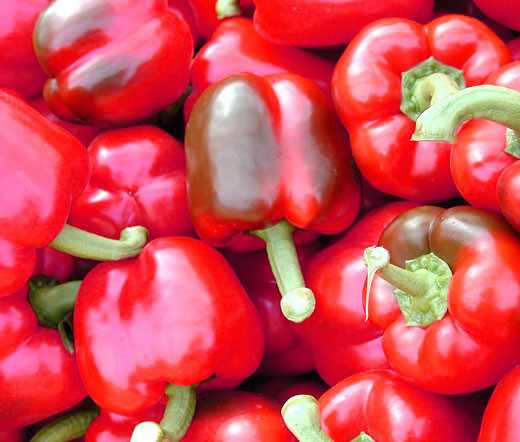
|
|
Capsicum annuum Common Names: Chili
pepper, chilli pepper, hot pepper, sweet pepper, bell pepper, paprika,
pimiento, pimiento pepper Scientific
Classification Kingdom: Plantae Clade: Tracheophytes Clade: Angiosperms Clade: Eudicots Order: Solanales Family: Solanaceae Genus: Capsicum Species: Capsicum
annuum L. synonyms: Morphological Description Capsicum annuum is an annual to
short-lived perennial subshrub, often cultivated as an annual in temperate and
tropical agriculture. It is highly polymorphic due to long-term domestication
and modern breeding, spanning sweet bell peppers, paprika types, and diverse
pungent chili forms (POWO, n.d.; Kraft et al., 2014). · Habit: Herb
to subshrub; commonly 0.3–1.5 m in cultivation, potentially larger in
frost-free conditions (POWO, n.d.). · Leaves: Simple,
entire, ovate to lanceolate, alternate; size and pubescence vary strongly among
landraces and cultivars. · Flowers: Typically
solitary, axillary, usually white; corolla may show subtle spotting in some
forms; bisexual and insect-pollinated. · Fruit: Botanical
berry with extreme variation in size (small bird peppers to large bells), shape
(elongate, conical, blocky), and color (green, yellow, orange, red,
purple/brown in some cultivars) (POWO, n.d.). · Pungency
determinant: Capsaicin and related capsaicinoids accumulate mainly in placental
tissues of pungent cultivars; sweet cultivars are characterized by very low or
absent capsaicinoids (Fattori et al., 2016). Distribution and Habitat Capsicum annuum is native to the
Americas and is now cultivated globally as both a vegetable and a spice crop.
Its modern distribution reflects widespread cultivation and frequent local
naturalization or casual escape (POWO, n.d.; GBIF, n.d.). · Native
range: Southern United States to Brazil and the Caribbean, as
synthesized in Plants of the World Online (POWO, n.d.). · Domestication
center and history: Multi-method evidence (species
distribution modeling and paleobiolinguistics) supports an origin of
domesticated C.
annuum in Mexico, with subsequent diversification and spread
(Kraft et al., 2014). · Current
distribution: Worldwide cultivation across temperate-to-tropical regions;
locally naturalized populations recorded in biodiversity occurrence systems
(GBIF, n.d.). · Habitat: Primarily
cultivated in warm, sunny environments with well-drained soils; also occurs as
a garden escape near settlements and disturbed habitats (POWO, n.d.; GBIF,
n.d.). Ethnopharmacology Across many cultures, Capsicum
annuum sits on a food–medicine continuum: fruits are consumed
for flavor and perceived “warming” effects and are also used externally as
counterirritants for musculoskeletal discomfort. Modern regulatory syntheses
emphasize that safety and therapeutic outcomes depend on preparation, dose,
exposure time, and cultivar chemistry (EMA, n.d.; EMA, 2015). · Topical
counterirritant for pain: Traditional use of
pepper preparations on painful areas aligns with clinical and regulatory
recognition of capsicum preparations for relief of muscle pain such as low back
pain (EMA, n.d.). · Respiratory
and “cold” symptoms: In several traditions, hot pepper
ingestion is used to promote sweating and perceived decongestion, typically as
part of hot foods or drinks; these practices are commonly discussed within
food–medicine frameworks (Catalfamo et al., 2022). · Gastrointestinal
complaints: Traditional narratives include use for “stomach upset” or
ulcer-like conditions; mechanistic and experimental literature has examined
gastroprotective effects of capsaicin under specific conditions (Satyanarayana,
2006; Mendivil et al., 2019). · Northern
Uganda: A cross-sectional ethnobotanical survey recorded Capsicum annuum among
medicinal plants used locally, including for malaria and ulcer-related
complaints, with preparations involving leaves and fruits in household remedies
(Gum et al., 2024). Ethnopharmacological evidence for Capsicum annuum includes clinical
evaluation of capsaicin-containing topical products for pain, experimental
studies on gastrointestinal inflammation models, and laboratory studies
exploring antimicrobial effects of pepper extracts. The strongest human
evidence relates to topical analgesia, while other domains remain more
preliminary and preparation-dependent (Derry et al., 2017; Simpson et al.,
2017). · Analgesic
and pain-modulating effects: Capsaicin is a TRPV1
agonist on nociceptive neurons; after initial activation (burning), repeated or
sustained exposure can produce desensitization and reduced pain signaling,
forming the mechanistic basis for topical use (Fattori et al., 2016). A
randomized, double-blind, placebo-controlled study in painful diabetic
peripheral neuropathy evaluated a single application of an 8% capsaicin patch
over 12 weeks (Simpson et al., 2017). A Cochrane review concluded that
high-concentration topical capsaicin (8%) provides more moderate to substantial
pain relief than control in selected chronic neuropathic pain conditions,
though the proportion benefiting is limited and evidence quality varies by
condition (Derry et al., 2017). A systematic review focusing on postherpetic
neuralgia similarly supports topical capsaicin as a potentially effective
option for some patients (Yong et al., 2017). · Gastric
mucosal protection and inflammation modulation: A
comprehensive review argues that capsaicin can support gastric mucosal defense
via effects on acid secretion, mucus/alkali secretion, and mucosal blood flow,
reframing chili exposure as potentially protective under certain contexts
rather than uniformly ulcerogenic (Satyanarayana, 2006). In an experimental
gastritis model, capsaicin consumption was associated with gastric mucosal
protection and downregulation of inflammatory mediators including
proinflammatory cytokines and COX-2 in gastric tissue (Mendivil et al., 2019). · Antibacterial activity and antimicrobial: Laboratory studies demonstrate antibacterial activity of C. annuum fruit extracts against foodborne or opportunistic pathogens under in vitro conditions, with activity depending on extraction solvent and concentration. For example, bell pepper extracts showed inhibitory effects against multiple bacterial species, with methanolic extracts often yielding stronger activity than aqueous preparations (Koffi-Nevry et al., 2012). ⚠ Toxicity Profile: Capsaicin is a potent irritant to skin, eyes, and mucous
membranes. Uncontrolled exposure can cause intense burning, tearing, coughing,
and gastrointestinal discomfort (EMA, 2015; Int J Toxicol, 2007). The European
Medicines Agency indicates capsicum preparations should be used only in adults
and not continuously for more than 3
weeks; after 3 weeks, a break of at least 2 weeks is recommended (EMA, n.d.).
Culinary use is widely tolerated, but concentrated capsaicin products can
increase adverse-effect risk; standardized formulations and appropriate
handling reduce accidental exposure (Int J Toxicol, 2007; EMA, 2015). Additional Uses · Economic
and dietary importance: C. annuum is among
the world’s most important vegetable and spice crops, with major roles in fresh
markets (sweet peppers) and processed spice systems (paprika and dried chili
products) (POWO, n.d.). · Domestication
and diversity: Domestication in Mexico and subsequent spread produced extensive
morphological and chemical diversity, which explains broad variation in
pungency, color, and uses across landraces and modern cultivars (Kraft et al.,
2014). · Regulatory
synthesis: EMA monographs and assessment reports link long-standing
topical use with mechanistic and clinical evidence while emphasizing controlled
duration and adult-only use (EMA, n.d.; EMA, 2015). References
External Links More Pictures |
|
| Compounds of Capsicum annuum | |
| References | Murtala Muhammad, Etal. (2023). Phytochemical analysis of Nigerian medicinal plants. NMPP-DB
Project, Department of Biochemistry, Kano University of Science and Technology,
Wudil |