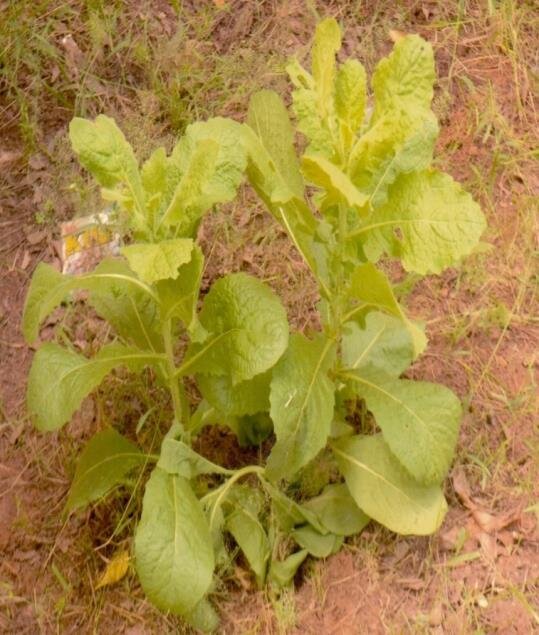
Vernonia ambigua
|
|
Vernonia ambigua Common Names: Iron weed Scientific
Classification Kingdom: Plantae Clade: Tracheophytes Clade: Angiosperms Clade: Eudicots Clade: Asterids Order: Asterales Family: Asteraceae Genus: Vernonia Species: V. ambigua Synonyms: Vernoniastrum ambiguum (Kotschy & Peyr.) H.Rob. Morphological Description Vernonia ambigua is an erect, coarse annual or short-lived perennial herb,
typically 0.15–0.6 meters tall, occasionally reaching 1 meter. Its key
characteristics include: · Stems: Ribbed, densely pubescent with T-shaped hairs, branched
towards the apex, green to purplish (Isawumi, 1995). · Leaves: Oblanceolate to elliptic (5–12 cm × 1–4 cm), sessile, with
serrate to crenate margins, acute apex, and attenuate base; densely hairy on
both surfaces, dark green (Prance & Jongkind, 2015). · Inflorescences: Terminal or axillary corymbs, composed of
numerous capitula (5–8 mm diameter); florets tubular, violet to white, with
five lobes and exserted anthers; flowering occurs during the rainy season
(July–October) (Kew Science, n.d.). · Fruit: Cylindrical achenes (2–3 mm), 10-ribbed, with a pappus of
white to brownish bristles, aiding wind dispersal. Distribution and Habitat Vernonia ambigua is native to tropical Africa, thriving in a range of
ecological conditions: · Geographic Range: Extends from Senegal to Sudan, south to
Angola and Zambia; in Nigeria, prevalent in northern savanna (e.g., Kano,
Bauchi) and southern forest-savanna transitions (e.g., Oyo, Edo); also recorded
in Ghana, Cameroon, and Ethiopia (Kew Science, n.d.; Burkill, 1985). · Habitat: Grows in seasonally dry tropical biomes, including open
fields, forest edges, savanna woodlands, and disturbed areas (e.g., roadsides,
farmlands); prefers well-drained, loamy or sandy soils (pH 5.5–7.5) with
600–1,800 mm annual rainfall; occurs at elevations up to 1,800 m (Prance &
Jongkind, 2015; · Ecological Role: Pioneer species in disturbed areas;
attracts pollinators (bees, butterflies); seeds provide food for granivorous
birds; contributes to soil stabilization (Burkill, 1985). Ethnopharmacology Vernonia ambigua is a cornerstone of traditional medicine in Nigeria and
other African regions, valued for its antimicrobial, anti-inflammatory, and
reproductive health benefits. Its pharmacological properties are driven by a
rich phytochemical profile, with studies validating several traditional uses. Traditional Uses In African
ethnomedicine, particularly among Hausa, Yoruba, and other West African
communities, Vernonia ambigua is used for: · Skin Infections: Leaf pastes treat wounds, boils, and
fungal infections due to antiseptic properties (Odugbemi, 2008). · Diarrhea and Gastrointestinal Issues: Leaf decoctions manage diarrhea and
dyspepsia, leveraging astringent and antimicrobial effects (Burkill, 1985). · Reproductive Health: Leaf infusions treat endometriosis,
sexually transmitted diseases (STDs), and infertility in both men and women;
roots are used for menstrual irregularities (Neuwinger, 2000). · Anthelmintic: Leaf and root extracts expel intestinal worms, particularly
in children (Odugbemi, 2008). · Respiratory Conditions: Bitter leaf decoctions treat cough, fever,
and bronchitis, often combined with other herbs (Builders et al., 2011). · Malaria: Whole plant infusions are used as an antimalarial remedy in
Nigeria and Cameroon (Builders et al., 2011). Pharmacological Studies Pharmacological studies
have validated several traditional uses of Vernonia ambigua, focusing on its antimicrobial,
anti-inflammatory, and antimalarial properties: · Antibacterial Activity: Methanolic leaf extracts inhibited Staphylococcus aureus (MIC: 0.5 mg/mL), Escherichia coli (MIC: 1 mg/mL), and Bacillus subtilis (MIC: 0.5 mg/mL), with inhibition zones of
12–18 mm at 100 mg/mL. The activity was attributed to sesquiterpene lactones
and flavonoids, supporting use for skin infections and diarrhea (Aliyu et al.,
2011). · Antifungal Activity: Ethanolic leaf extracts inhibited Candida albicans (MIC: 2 mg/mL, inhibition zone: 15 mm at
100 mg/mL), validating traditional use for fungal infections. Oleanolic acid
benzoate was identified as a key compound (Gwandu et al., 2020). · Antimalarial Activity: Ethanolic whole plant extracts exhibited
antiplasmodial activity against Plasmodium falciparum (IC50: 7.8 µg/mL) in vitro, with vernolide
and flavonoids as active compounds. In vivo, extracts (500 mg/kg) reduced
parasitemia in mice by 60%, supporting traditional antimalarial use. The plant
was safe at 5,000 mg/kg in acute toxicity studies (Builders et al.,
2011). · Anti-inflammatory Effects: Methanolic leaf extracts reduced
carrageenan-induced paw edema in rats. ⚠ Toxicity Profile: Vernonia ambigua is generally safe at therapeutic doses in
traditional applications, but some risks are noted: Sesquiterpene Lactones:
Compounds like vernolide may cause contact dermatitis or allergic reactions in
sensitive individuals due to their alkylating properties. High Doses: Acute
toxicity studies showed no mortality in rats at methanolic leaf extract doses
up to 5,000 mg/kg (LD50 > 5,000 mg/kg), but sub-chronic use (>1,000
mg/kg) caused mild liver enzyme elevation (ALT increased by 10%) (Builders et
al., 2011). Limited Data: Long-term toxicity and genotoxicity studies are
scarce, necessitating caution with prolonged use (Aliyu et al., 2011). Additional Information · Taxonomic Context: Part of the Vernonia genus (~1,000 species), known for sesquiterpene lactones
and flavonoids; V. ambigua is closely
related to V. amygdalina but
distinguished by its shorter stature and hairy leaves (Toyang & Verpoorte,
2013). · Ecological Role: Enhances biodiversity in savanna and
forest ecosystems; nectar supports pollinators; pioneer species in disturbed
areas (Prance & Jongkind, 2015). References
External Links More Pictures |
|
| Compounds of Vernonia ambigua | |
| References |