Laggera pterodonta
|
|
Laggera pterodonta Common Names: Winged Laggera, African wormwood Scientific
Classification Kingdom: Plantae Clade: Tracheophytes Clade: Angiosperms Clade: Eudicots Clade: Asterids Order: Asterales Family: Asteraceae Genus: Laggera Species: L. pterodonta Synonyms: Blumea pterodonta DC., Conyza ctenoptera Kunth Morphological Description Laggera pterodonta is a robust, annual or perennial herb, growing 0.5–1.7
meters tall, known for its viscid texture and strong aromatic odor. Its key
characteristics include: · Stems: Erect, winged, pubescent to glabrescent, green to purplish,
often sticky due to glandular trichomes (Burkill, 1995). · Leaves: Alternate, oblong to lanceolate (5–15 cm × 2–5 cm), with
serrate margins; basal leaves larger, upper leaves smaller; glossy green,
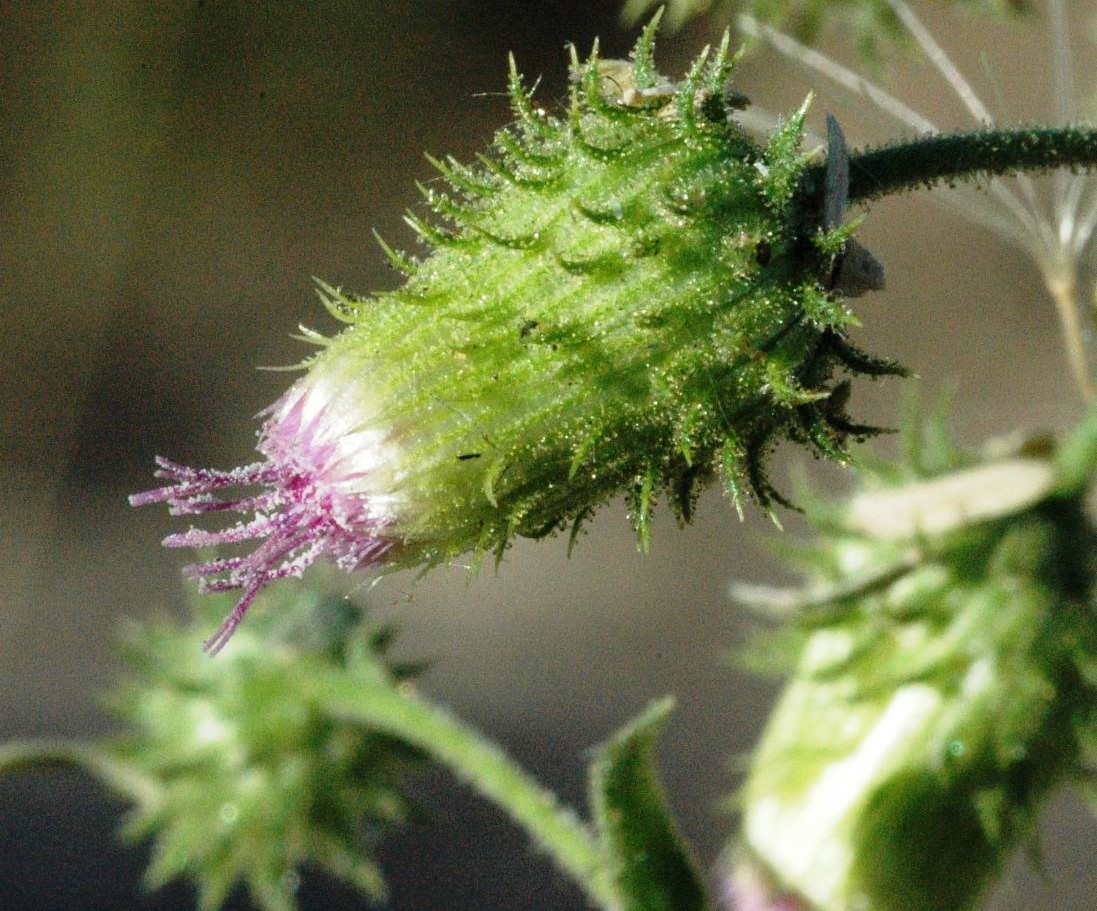
pubescent beneath (Fern, 2024). · Flowers: Small, white to pale purple, in dense, terminal capitula (5–8
mm diameter); florets tubular, surrounded by hairy bracts; bloom seasonally
(Plants of the World Online, n.d.). · Fruit: Achene, small (1–2 mm), cylindrical, with a pappus of white
bristles, aiding wind dispersal (Prance & Jongkind, 2015). Distribution and Habitat Laggera pterodonta is widely distributed across tropical and subtropical
regions, thriving in diverse ecological niches: · Geographic Range: Native to West Africa (Nigeria, Senegal,
Ghana, Cameroon), Central Africa (DR Congo), East Africa (Kenya, Tanzania), and
parts of Asia (China, India); common in Nigeria’s savanna and forest margins
(Kew Science, n.d.). · Habitat: Grows in moist soils of waste grounds, roadsides,
grasslands, secondary bushlands, and forest edges; prefers sandy or loamy soils
(pH 5.5–7.0) with annual rainfall of 600–1,500 mm; occurs at elevations up to
2,000 m (Fern, 2024). · Ecological Role: Acts as a pioneer species in disturbed
areas; supports pollinators like bees; its aromatic compounds deter herbivores
(Burkill, 1995). Ethnopharmacology Laggera pterodonta is a medicinal herb
traditionally used in parts of Asia and Africa to treat respiratory infections,
fever, inflammation, and other ailments, and scientific studies support these
uses by identifying bioactive compounds such as eudesmane-type
sesquiterpenoids, flavonoids, and essential oils. Extracts of the plant have
shown notable antiviral activity, particularly against influenza A virus, by
inhibiting viral replication and reducing inflammatory cytokine responses.
Additionally, the plant demonstrates anti-inflammatory, antioxidant, and
hepatoprotective effects, likely associated with its phenolic and terpenoid
constituents. The essential oil also exhibits insecticidal and larvicidal
properties, pointing to potential use in mosquito vector control. · Antiviral: In Nigeria, leaf decoctions treat viral infections. Ethanol
leaf extracts inhibited herpes simplex virus-1 (HSV-1), HSV-2, and influenza A
virus (H1N1) in vitro, with 3,5-O-dicaffeoylquinic acid showing high
selectivity indices (SI: >10) (Shi et al., 2013). Pterodontic acid from
aerial parts reduced H1N1 viral replication and inflammation in mice via NF-κB
and p38 pathway inhibition (Guan et al., 2017). · Antimicrobial: In Nigeria, aerial parts treat bacterial infections. Methanolic
extracts showed activity against Mycobacterium bovis (MIC: 625 µg/mL), supporting
anti-tuberculosis use; leaf extracts inhibited Staphylococcus aureus and Escherichia coli (MIC: 0.5–1 mg/mL) (Egharevba et al.,
2010; Ude et al., 2021). · Anti-inflammatory: In Senegal, leaf poultices manage
swelling. Total phenolics (TPLP) from aerial parts reduced xylene-induced ear
edema in mice by 50%, attributed to flavonoids like quercetin and
isochlorogenic acids (Wu et al., 2006). · Hepatoprotective: In Nigeria, leaves treat hepatitis. TPLP
protected primary rat hepatocytes against CCl4-induced injury, reducing ASAT
and ALAT leakage by 40–60%, with stronger effects than silibinin (Wu et al.,
2009). · Antimalarial: In Nigeria, leaf extracts control malaria vectors. Essential
oils exhibited larvicidal activity against Anopheles gambiae (LC50: 418 mg/L after 24 h), driven by
γ-terpinene and 4-carvomenthenol (Dantanko & Malann, 2020). · Anticancer: In Nigeria, aerial parts are used for tumors. 3,5-Dihydroxy-6,7,3′,4′-tetramethoxyflavone
(DHTMF) induced apoptosis in imatinib-resistant K562R leukemia cells (IC50:
39.67–200 µg/mL), activating intrinsic apoptosis pathways (Cao et al., 2014). ⚠ Toxicity Profile: Laggera pterodonta is generally safe at therapeutic doses,
but high doses may pose risks. Ethanol leaf extracts showed no acute toxicity
(LD₅₀ > 5,000 mg/kg) in rats, but sub-acute dosing (300 mg/kg for 28 days)
caused mild liver enzyme elevation (ALT increased by 15%). High concentrations
exhibited cytotoxicity in cancer cell lines, suggesting potential toxicity.
Chronic, mutagenic, and teratogenic studies are lacking. Use is contraindicated
in pregnancy and for children due to insufficient safety data. Wild-harvested
plants may contain heavy metal contaminants (Cao et al., 2014; Awounfack et
al., 2016). Additional Uses · Culinary: In Nigeria, leaves are occasionally used as a flavoring
agent in soups due to their aromatic properties (Burkill, 1995). · Agricultural: Essential oils are explored for mosquito control,
reducing Anopheles gambiae larvae in malaria-prone areas (Dantanko & Malann, 2020). · Cultural: In Yoruba culture, the plant is used in rituals for
spiritual cleansing, reflecting its ethnobotanical significance (Adjanohoun et
al., 1989). · Ecological: Planted in agroforestry to stabilize soils in disturbed
areas; its aromatic compounds deter pests (Fern, 2024). References
External Links More Pictures
|
|
| Compounds of Laggera pterodonta | |
| References |
