Hibiscus sabdariffa
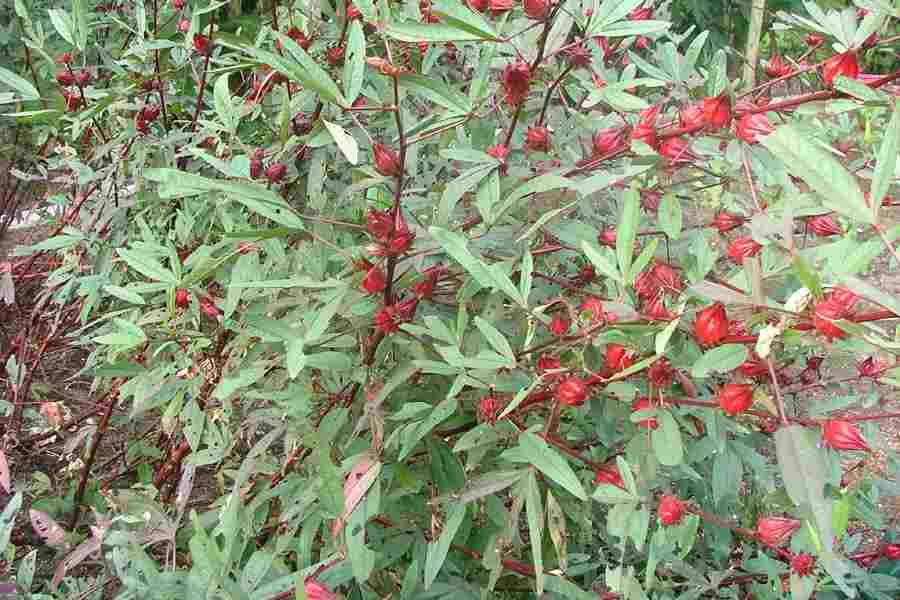
|
|
Hibiscus sabdariffa Common Names: Roselle, Jamaica sorrel, Indian sorrel Scientific
Classification Kingdom: Plantae Clade: Tracheophytes Clade: Angiosperms Clade: Eudicots Order: Malvales Family: Malvaceae Genus: Hibiscus Species: H. sabdariffa L. Selected synonyms (historical usage varies by checklist): Hibiscus cruentus Bertol.; Hibiscus digitatus Cav.; Hibiscus acetosus Noronha Morphological Description Hibiscus sabdariffa is an annual or short-lived perennial herb grown widely in
tropical and subtropical regions for its edible and medicinal parts. The most
economically important structures are the fleshy calyces that enlarge around
the fruit and are harvested for beverages and extracts. · Growth form: Upright herb, commonly branched; grown as an annual crop in
many regions · Leaves: Variable; often lobed, especially on upper stems (leaf shape
can vary by variety and growth stage) · Flowers: Hibiscus-like flowers, usually pale with a darker center;
ephemeral · Calyces: Fleshy, enlarged, typically red to deep crimson in many
cultivated types; dried calyces are used for “hibiscus tea” and beverages · Commonly used parts: Calyces (primary), leaves (sour vegetable
in some cuisines), seeds (oil and protein source in some contexts) Distribution and Habitat Major global plant
backbones list the native range as West Tropical Africa to Sudan, with broad
cultivation and naturalization across tropical regions worldwide (POWO; GBIF). · Native range (checklist summary): West Tropical Africa to Sudan (POWO) · Current range: Widely cultivated throughout the tropics; occurrence records
are extensive (GBIF) · Biome context: Frequently associated with seasonally dry tropical settings
where cultivated (POWO) Ethnopharmacology Roselle is a classic
food–medicine plant. Traditional use of calyx infusions as cooling drinks and
wellness tonics is widespread, and clinical research has most consistently
focused on cardiovascular endpoints. Preparation matters: brewed teas,
standardized extracts, and concentrated supplements can differ substantially in
polyphenol/anthocyanin content and organic acids, influencing both efficacy and
safety (Riaz & Chopra, 2018). · Blood pressure lowering : In a randomized, double-blind,
placebo-controlled trial, 3 servings/day of hibiscus tea for 6 weeks reduced
systolic blood pressure more than placebo (mean change −7.2 ± 11.4 vs −1.3 ±
10.0 mmHg; McKay et al., 2010). Meta-analyses of randomized trials report
overall significant reductions in both systolic and diastolic blood pressure,
though heterogeneity across formulations and study designs is common (Serban et
al., 2015; Ellis et al., 2022). · Diuretic and natriuretic activity: A pharm acological characterization study
of H. sabdariffa reported
measurable diuretic and natriuretic effects in experimental models, supporting
the plausibility of traditional “diuretic” framing (Alarcón-Alonso et al.,
2012). · Cardiometabolic markers beyond BP : Systematic reviews that include
cardiometabolic outcomes alongside blood pressure report variable effects on
lipid and glycemic markers across trials, with stronger consistency for blood
pressure than for other endpoints (Ellis et al., 2022). · Antioxidant and antimicrobial activity: Reviews attribute a substantial portion of
bioactivity to polyphenols and anthocyanins (including the sambubiosides
commonly reported in calyces), and multiple in vitro studies report antioxidant
and antimicrobial activity of calyx extracts against bacteria and fungi under
laboratory conditions (Riaz & Chopra, 2018). · Herb–drug interaction relevance : Interaction-focused literature reports
changes in pharmacokinetic exposure for selected drugs when co-administered
with H. sabdariffa preparations
in prior studies, underscoring the need for caution with concurrent
prescription medicines, especially for people using concentrated extracts or
frequent therapeutic dosing patterns (Nurfaradilla et al., 2020). ⚠ Safety and Toxicity: Human studies of brewed hibiscus beverages often report good
tolerability with mostly mild adverse effects, but safety can vary by dose and
preparation (Ellis et al., 2022). Interaction literature suggests caution when
used alongside antihypertensive drugs (additive blood pressure lowering) and
when combining with medicines where exposure changes have been reported in
herb–drug interaction studies (Nurfaradilla et al., 2020). Preclinical work has
raised concerns about organ-toxicity signals under high or prolonged exposure
conditions, which should not be equated to typical culinary intake but supports
conservative dosing if used therapeutically (Koffuor et al., 2015). Additional Uses · Food and beverages: Dried calyces are infused for tart drinks;
leaves may be used as a sour vegetable in some food traditions; seeds may be
used for oil/protein in some contexts (Riaz & Chopra, 2018). · Colorant and product development: Calyx pigments are used as natural
colorants in beverages and foods, with composition and stability influenced by
processing and storage (Riaz & Chopra, 2018). · Agricultural relevance: Cultivated as a cash crop in many tropical
regions for dried calyces and processed beverage markets (GBIF; POWO). References
External Links
More Pictures
|
|
| Compounds of Hibiscus sabdariffa | |
| References |
