Bobgunnia madagascariensis.
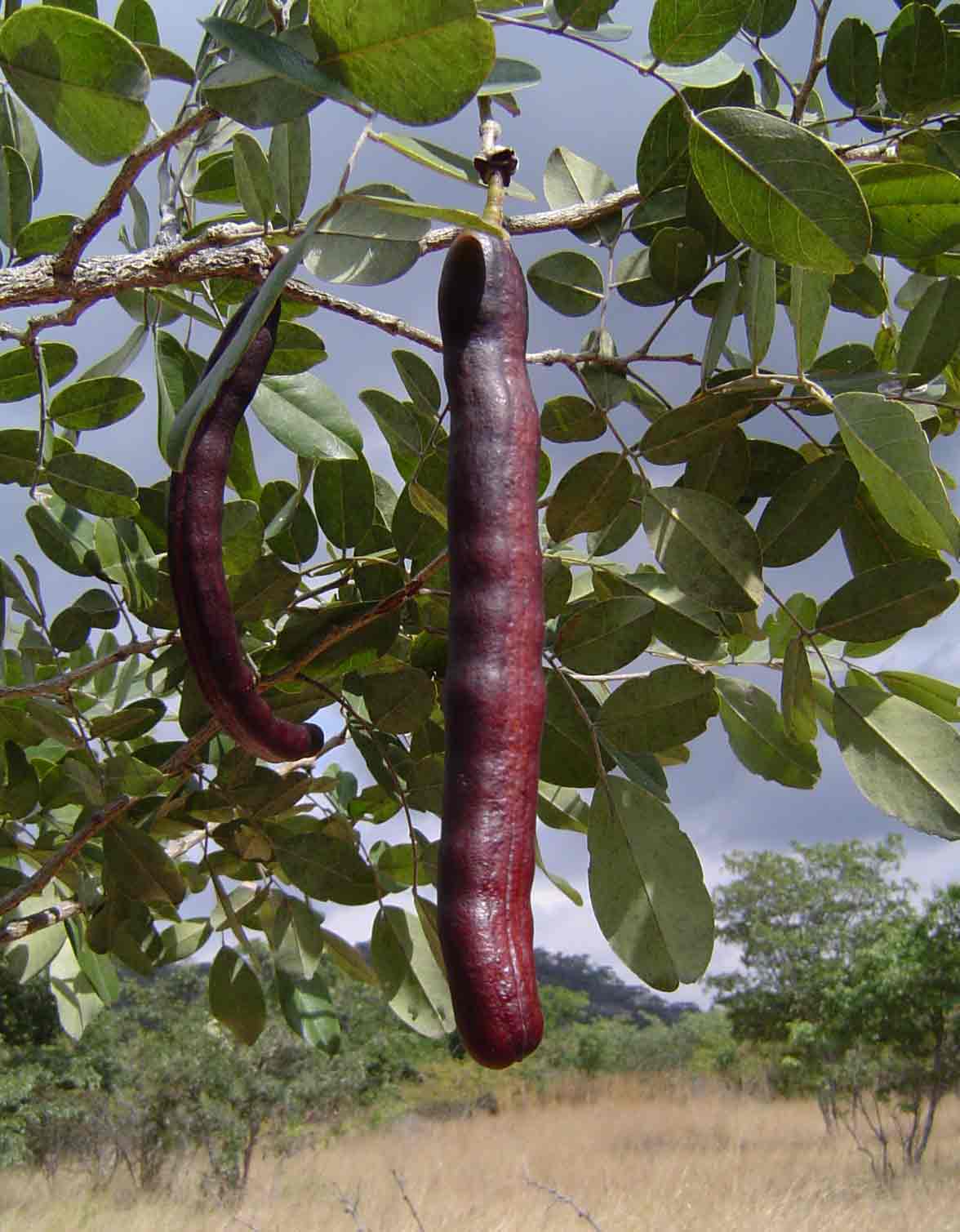
|
|
Bobgunnia madagascariensis Common Names: Snake Bean, Pau Rosa Scientific
Classification Kingdom: Plantae Phylum: Tracheophyta Class: Magnoliopsida Order: Fabales Family: Fabaceae Genus: Bobgunnia Species: Bobgunnia madagascariensis Synonyms: Swartzia
madagascariensis Desv., Swartzia marginata Benth., Swartzia sapinii De Wild.,
Tounatea madagascariensis (Desv.) Baill., Cassia madagascariensis Poir. ex
Desv. Morphological Description Bobgunnia
madagascariensis, commonly known as Snake Bean or Pau Rosa, is a semi-deciduous
small tree or shrub, typically 3–4 m tall, occasionally reaching 15 m with a
bole diameter up to 60 cm. Its key features include: · Stem: Stems and branches are often twisted and contorted; bark is
dark grey, rough, fissured, and flaking, with a yellowish-white inner bark
exuding crimson-black mucilage (Hyde et al., 2015). · Leaves: Imparipinnate, alternate, 10–20 cm long, with 5–11 (rarely
13) elliptic to obovate leaflets, 2.5–7 cm long; leaflets are leathery, dark
green and glabrous above, yellowish and velvety beneath; petiole 2–4 cm long
(Kew Science, 2024). · Flowers: Sweetly scented, in lax, 2–10-flowered racemes up to 8 cm
long; flowers are bisexual, zygomorphic, with one large white petal, grey-margined,
yellow at the base, and numerous orange-yellow stamens (Hyde et al., 2015). · Fruits: Cylindrical, indehiscent pods, 15–30 cm long, 2–3 cm wide,
dark brown to black when ripe, containing 1–6 flat, brown seeds, 1–2 cm long
(Neuwinger, 2004). · Seeds: Flat, brown, 1–2 cm long, released when pods rot on the
ground; remain viable for years if kept dry and insect-free (Options NRI,
2024). The tree’s dense,
rounded crown and attractive flowers make it a candidate for ornamental use,
though its primary value lies in its wood and medicinal properties (Hyde et
al., 2015). Distribution and Habitat Bobgunnia
madagascariensis is widely distributed across tropical and southern Africa,
from Senegal, Guinea, and Chad in the west to Tanzania, Zambia, and northern
South Africa in the east, and south to Namibia, Botswana, and Mozambique.
Despite its name, it is not found in Madagascar. It thrives in: · Climatic conditions: Semi-arid to humid tropical climates with
annual rainfall of 500–1,500 mm and temperatures of 20–30°C (Kew Science,
2024). · Altitude: 150–1,750 m, primarily in valleys and humid plains (Options
NRI, 2024). · Habitats: Deciduous woodlands, wooded grasslands, savannas, and open
scrub; often on sandy or clay-loam soils with good drainage (Hyde et al.,
2015). · Ecological role: Found in disturbed areas and along
watercourses, contributing to soil stabilization (Neuwinger, 2004). In Nigeria, it is common
in the northern savanna regions, particularly in Bauchi and Kaduna states,
where it grows in wooded grasslands (Schaller et al., 2001). Ethnopharmacology Bobgunnia
madagascariensis is a significant plant in African traditional medicine,
particularly in West and Southern Africa, with ethnopharmacological studies
supporting its uses: · Galactogenic properties: In Benin, decoctions of stem bark and
leaves are used by women to promote lactation post-childbirth. Studies in the
Sudanian and Sudano-Guinean zones confirm its traditional use as a
galactagogue, though specific bioactive compounds remain unidentified (Houndjo
et al., 2024). · Antifungal activity: Root bark extracts contain quinone methide
diterpenes (e.g., swartziadione, swartzianin), exhibiting antifungal activity
against Candida albicans and Aspergillus niger (MIC 25–50 µg/mL). These
compounds disrupt fungal cell membranes, validating traditional use for skin
infections (Schaller et al., 2001). · Acaricidal properties: Methanol fruit extracts demonstrate 100%
mortality against Amblyomma variegatum ticks within 24 hours (LD50 0.030 w/v),
supporting its use in ethnoveterinary medicine for tick control in livestock (Muyobela
et al., 2016). · Poison fishing and arrow poison: Seeds and stem bark contain saponins and
diterpenoids used in Nigeria and Zambia to poison fish for easy capture and by
the San people for arrow poisons. These compounds cause paralysis in fish and
mammals by disrupting neurological function (Neuwinger, 2004). · Anthelmintic potential: In Zimbabwe, stem bark decoctions are used
to treat intestinal worms in humans and livestock. Preliminary studies confirm
larvicidal activity against Haemonchus contortus, likely due to saponins
(Adeyemi & Amupitan, 2010). Phytochemical analyses
reveal saponins, diterpenoids (e.g., swartziadione), flavonoids, and alkaloids
as key constituents, contributing to its pharmacological effects. However,
clinical trials are lacking, and standardization of dosages is needed (Schaller
et al., 2001; Adeyemi & Amupitan, 2010). ⚠ Toxicity Profile: Bobgunnia madagascariensis is highly toxic and
requires careful handling: Neurological
toxicity: Seeds and stem
bark contain saponins and diterpenoids that cause paralysis and respiratory
failure in fish and mammals, used in poison fishing and arrow poisons by the
San people (Neuwinger, 2004). Potential cytotoxicity: High doses of methanolic extracts may be cytotoxic to
mammalian cells, as seen in related Fabaceae species (Adeyemi & Amupitan,
2010). Precautions: Ingestion or improper handling can lead to
severe poisoning. Pregnant women, children, and individuals with liver or kidney
issues should avoid use. Always consult a healthcare professional (Schaller et
al., 2001). Additional Uses · Wood: Known as Pau Rosa, the heartwood is pink to reddish-brown
with high luster, valued for furniture, carvings, musical instruments, and
specialty items due to its durability and workability (The Wood Database,
n.d.). · Ecological: Used in reforestation and soil stabilization in degraded
savanna landscapes due to its adaptability to sandy soils (Options NRI, 2024). · Cultural: In Zambia, the bark is used to produce a red dye for
textiles, and the wood is crafted into ceremonial objects (Hyde et al., 2015). · Pesticidal: Fruit extracts are used in Zimbabwe to control crop pests,
leveraging their insect-repellent properties (Muyobela et al., 2016). References
External Links Bobgunnia madagascariensis - Wikipedia Bobgunnia
madagascariensis - Options NRI Bobgunnia madagascariensis
- PROTA Bobgunnia
madagascariensis - Plants of the World Online Bobgunnia
madagascariensis - GBIF More Pictures |
|
| Compounds of Bobgunnia madagascariensis. | |
| References |